
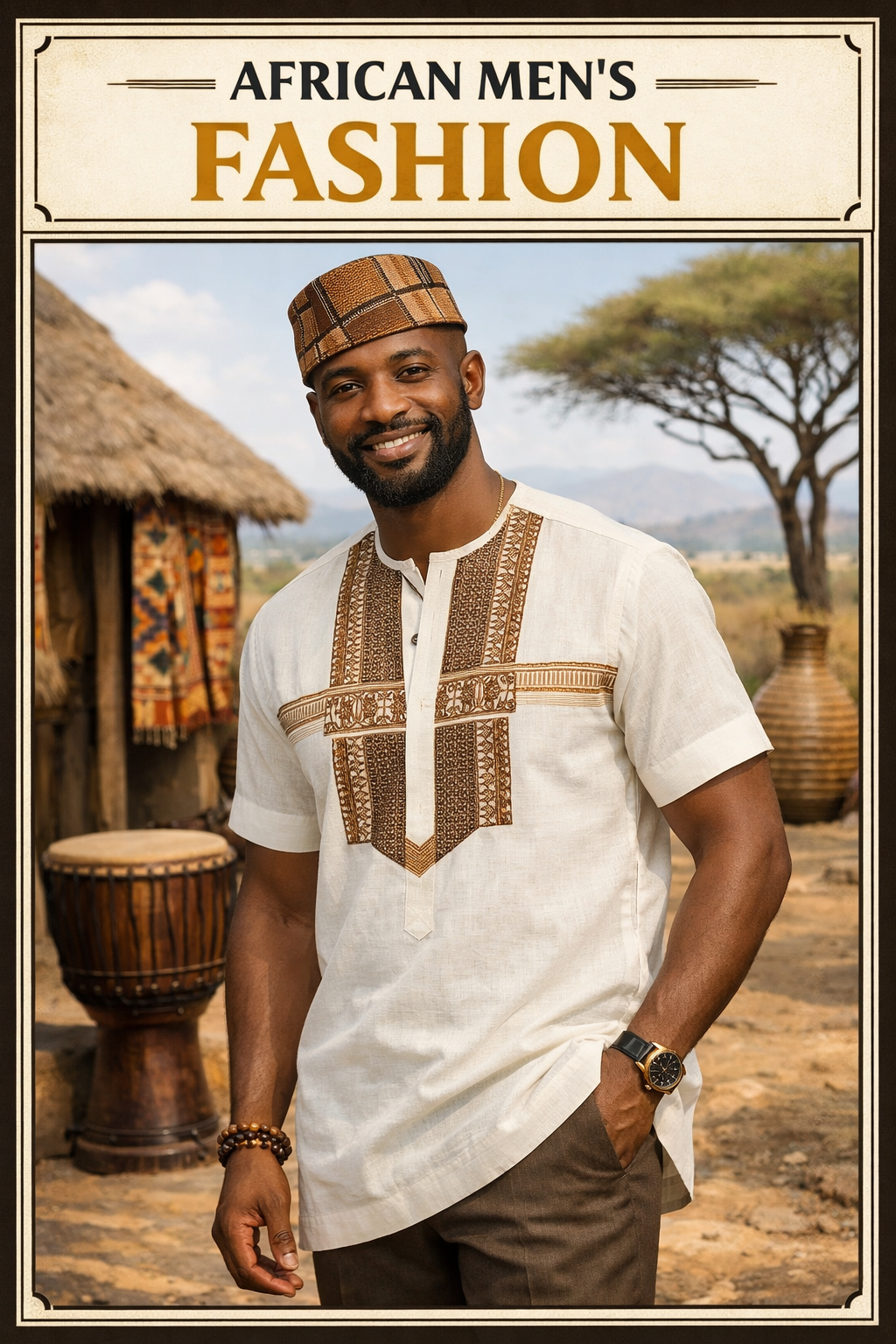
Africa men fashion in Africa is a rich and diverse expression of culture, identity, heritage, and modern creativity. It varies widely across regions, ethnic groups, and traditions, making it one of the most culturally expressive fashion landscapes in the world.
It combines traditional garments, symbolic textiles, and modern global influences, creating a style system that is both deeply historical and constantly evolving.
Cultural Diversity in African Fashion:
Africa is not a single fashion identity but a collection of many regional styles.
Key insight:
- Each region has unique clothing traditions
- Styles differ by ethnicity, climate, and culture
- Fashion often carries historical and symbolic meaning
Examples of diversity:
- West African rich ceremonial clothing
- East African draped garments
- North African flowing robes
- Southern African modern-traditional fusion
Influence of Heritage and Identity:
Fashion in Africa is strongly tied to cultural identity.
Key aspects:
- Clothing represents tribe, status, and tradition
- Patterns and colors often have symbolic meanings
- Outfits are worn for ceremonies, festivals, and daily life
Style importance:
- Fashion is a cultural language
- Identity is expressed through clothing choices
Traditional vs Modern Styles:
African men’s fashion blends tradition with modern influences.
Traditional style includes:
- Ceremonial robes
- Handwoven fabrics
- Cultural embroidery
Modern style includes:
- Streetwear-inspired outfits
- Tailored suits with African prints
- Fusion fashion with global trends
Style result:
- A balance between heritage and contemporary fashion
Summary:
African men’s fashion is a diverse and culturally rich system that combines traditional garments, symbolic textiles, and modern fashion influences across different regions of Africa.
Key Takeaways:
- Africa has diverse regional fashion styles
- Clothing reflects culture and identity
- Traditional garments remain highly important
- Modern fashion blends global and local influences
- Fashion carries deep cultural meaning
Common Mistakes:
- Treating African fashion as a single style
- Ignoring regional differences
- Overlooking cultural meaning in clothing
- Confusing traditional wear with casual fashion
Traditional African Clothing for Men:
Traditional menswear across Africa is deeply rooted in culture, ceremony, and identity, with each region having distinct garments that reflect history, status, and community values. These outfits are often worn during festivals, weddings, religious events, and cultural ceremonies.
Dashiki:
The dashiki is one of the most recognizable traditional garments.
Key features:
- Loose-fitting shirt with vibrant patterns
- Often decorated with embroidery around the neckline
- Made from cotton or printed fabric
Cultural significance:
- Symbol of African pride and identity
- Common in West African and diaspora fashion
Style use:
- Worn casually or for cultural events
- Paired with trousers or matching sets
Agbada:
The agbada is a flowing, ceremonial robe widely worn in West Africa.
Key features:
- Large, wide-sleeved robe
- Worn over matching tunic and trousers
- Often heavily embroidered
Cultural significance:
- Represents wealth, leadership, and prestige
- Common in formal and royal settings
Style use:
- Worn for weddings and important ceremonies
- Symbol of high social status
Kaftan and Robes:
Kaftans are long, loose garments worn across multiple regions.
Key features:
- Flowing silhouette
- Lightweight or richly decorated fabric
- Comfortable and breathable design
Cultural significance:
- Worn in both daily and formal settings
- Common in North and West Africa
Style use:
- Suitable for religious gatherings and casual wear
- Often paired with sandals or traditional footwear
Kente-Inspired Outfits:
Kente cloth originates from West Africa and is known for its bold patterns.
Key features:
- Handwoven fabric with geometric designs
- Bright and symbolic color combinations
- Often used in formal garments
Cultural significance:
- Represents history, royalty, and storytelling
- Each pattern has symbolic meaning
Style use:
- Used in ceremonial attire and modern fashion pieces
- Often tailored into shirts or suits
Traditional Clothing Table:
| Garment | Region | Purpose |
|---|---|---|
| Dashiki | West Africa | Cultural and casual wear |
| Agbada | West Africa | Ceremonial and formal wear |
| Kaftan | North & West Africa | Daily and religious wear |
| Kente Outfit | West Africa | Symbolic and ceremonial wear |
Summary:
Traditional African men’s clothing includes culturally significant garments like dashikis, agbadas, kaftans, and kente outfits, each reflecting identity, heritage, and social meaning across different regions.
Key Takeaways:
- Dashiki represents cultural pride
- Agbada symbolizes prestige and status
- Kaftan is versatile and widely worn
- Kente cloth carries symbolic meaning
- Traditional wear reflects identity and heritage
Common Mistakes:
- Confusing regional garments
- Treating ceremonial wear as casual fashion
- Ignoring cultural symbolism
- Assuming all African clothing is the same
Also read: Renaissance Era Fashion for Men – Clothing, Style Guide & Historical Outfits Explained.
Fabrics, Prints & Textiles:
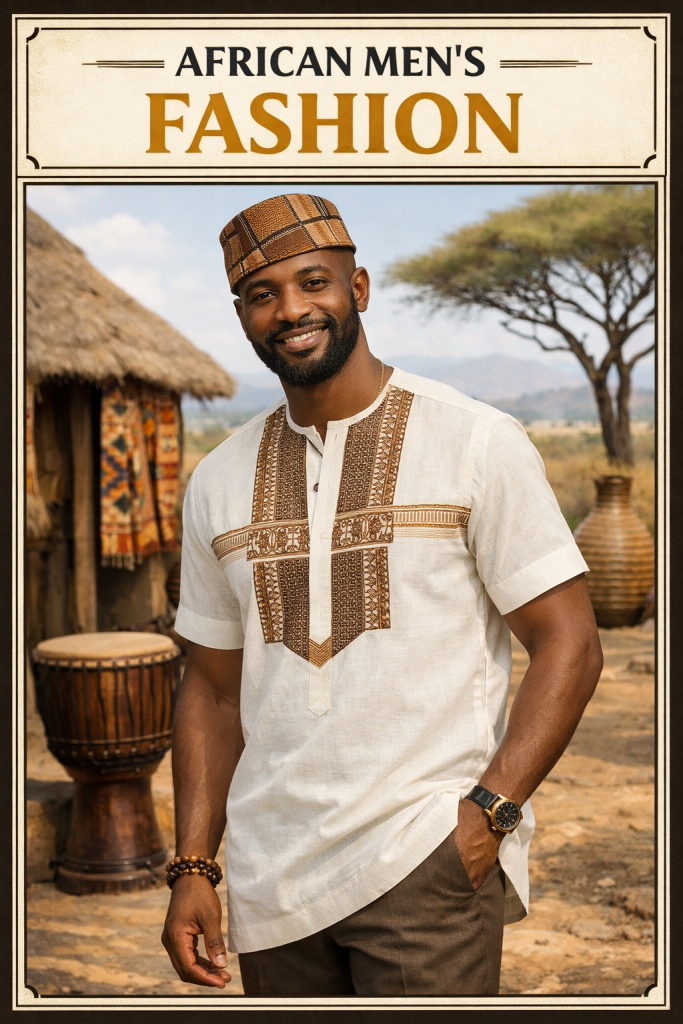
Clothing across Africa is strongly defined by its textiles, handwoven fabrics, and symbolic patterns, which carry deep cultural meaning beyond aesthetics. Fabrics are not just materials—they represent identity, heritage, storytelling, and social values.
Ankara Prints:
Ankara fabric is one of the most widely used textiles in African fashion.
Key features:
- Bright, colorful wax-printed cotton fabric
- Bold and repetitive patterns
- Machine-produced but culturally inspired designs
Uses:
- Shirts, suits, jackets, and traditional outfits
- Modern fusion fashion pieces
Style significance:
- Represents creativity and cultural expression
- Popular in both casual and formal fashion
Kente Cloth:
Kente cloth is a handwoven textile originating from West Africa.
Key features:
- Intricate geometric patterns
- Bright, symbolic color combinations
- Handwoven strips stitched together
Cultural meaning:
- Each pattern represents a specific proverb or message
- Historically worn by royalty and leaders
Uses:
- Ceremonial clothing and formal attire
- Modern fashion adaptations like blazers and shirts
Cotton and Linen Use:
Natural fabrics remain essential in African men’s fashion.
Key materials:
- Cotton (breathable and widely used)
- Linen (lightweight and ideal for hot climates)
Benefits:
- Comfort in warm weather
- Easy dyeing and printing
- Suitable for everyday wear
Symbolism in Patterns:
Patterns in African textiles often carry meaning.
Common themes:
- Leadership and strength
- Unity and community
- Spiritual and ancestral symbolism
- Historical storytelling
Style importance:
- Clothing communicates messages visually
- Patterns often represent identity or region
Fabrics & Textiles Table:
| Fabric | Origin | Use | Meaning |
|---|---|---|---|
| Ankara | West Africa-inspired prints | Modern & traditional outfits | Creativity & expression |
| Kente | Ghana (West Africa) | Ceremonial wear | Royalty & wisdom |
| Cotton | Continental use | Daily clothing | Comfort & practicality |
| Linen | Continental use | Warm-weather wear | Breathability & simplicity |
Summary:
African men’s fashion fabrics such as Ankara, Kente, cotton, and linen combine functionality with deep cultural symbolism, making textiles a key part of identity and storytelling.
Key Takeaways:
- Ankara represents bold modern-African style
- Kente is symbolic and ceremonial
- Cotton and linen are practical and breathable
- Patterns often carry cultural meaning
- Fabrics define identity and fashion expression
Common Mistakes:
- Treating prints as purely decorative
- Ignoring cultural symbolism in patterns
- Confusing fabric origins and meanings
- Overusing prints without balance
Modern African Fashion Trends:
Modern menswear in Africa reflects a powerful fusion of traditional heritage and global fashion influence. Today, African designers and style communities are redefining menswear by blending cultural textiles with contemporary silhouettes, creating a bold and globally recognized fashion identity.
Streetwear Influence:
Streetwear has become a major force in modern African fashion.
Key features:
- Oversized T-shirts and hoodies with African prints
- Sneakers paired with traditional-inspired outfits
- Graphic designs inspired by cultural symbols
Style impact:
- Makes traditional fashion more accessible to youth
- Creates a global urban-African aesthetic
Designer Fusion Outfits:
Contemporary African designers are merging tradition with modern tailoring.
Key features:
- Suits made with Ankara or Kente fabric accents
- Blazers with embroidered African patterns
- Hybrid outfits combining robes and Western cuts
Style impact:
- Elevates African fashion on global runways
- Preserves tradition in modern forms
Global Fashion Integration:
African fashion is now strongly integrated into global style trends.
Key developments:
- International fashion weeks featuring African designers
- Collaboration between African and global luxury brands
- Increased visibility of African prints in mainstream fashion
Style impact:
- African fashion is now part of global luxury and streetwear
- Cultural identity is expressed on international platforms
Modern Trends Table:
| Trend | Description | Example |
|---|---|---|
| Streetwear Fusion | Urban style with African prints | Hoodies with Ankara patterns |
| Designer Fusion | Traditional + tailored clothing | Kente blazers |
| Global Integration | International fashion influence | Runway African couture |
Summary:
Modern African fashion blends traditional cultural elements with streetwear, designer innovation, and global fashion trends, creating a dynamic and internationally influential style identity.
Key Takeaways:
- Streetwear reshapes traditional fashion
- Designers blend heritage with tailoring
- African fashion is globally recognized
- Cultural prints are used in modern silhouettes
- Fashion reflects both identity and innovation
Common Mistakes:
- Assuming African fashion is only traditional
- Ignoring modern designer influence
- Overlooking streetwear culture in Africa
- Treating fusion fashion as inauthentic
African Outfit Ideas for Men:
Outfit styling in Africa combines traditional garments, cultural prints, and modern tailoring to create versatile looks suitable for casual wear, ceremonies, and contemporary street style. These outfit ideas help translate African menswear into practical, real-world combinations.
Casual Traditional Looks:
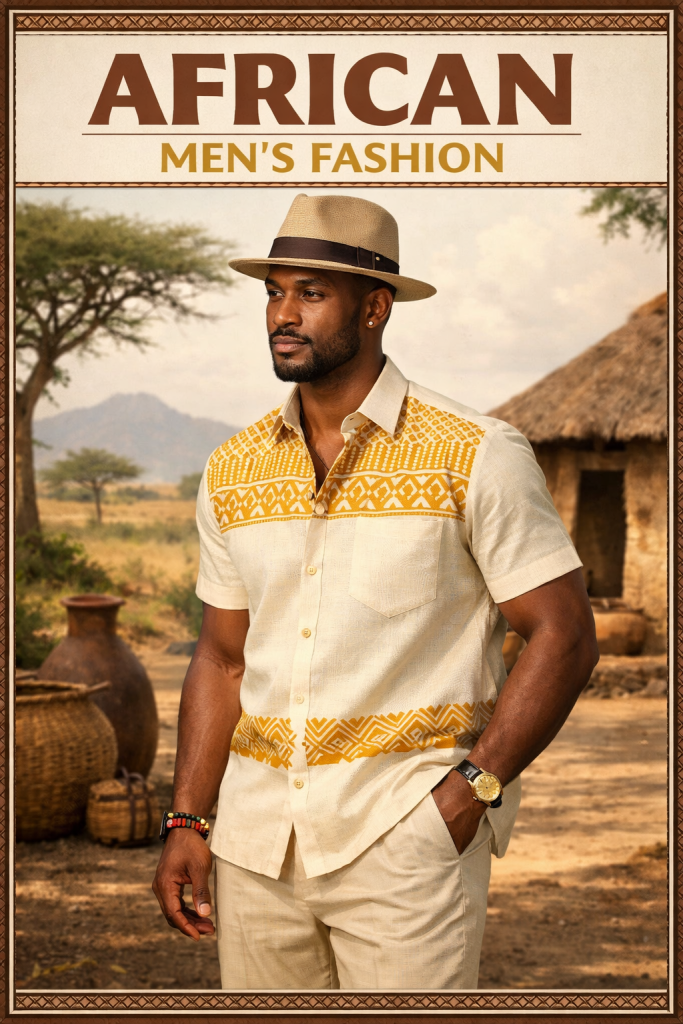
Casual outfits often blend comfort with cultural identity.
Examples:
- Dashiki shirt + plain trousers + sandals
- Ankara print shirt + jeans + loafers
- Lightweight kaftan + simple footwear
Style approach:
- Keep fabrics breathable
- Focus on relaxed fits
- Use subtle or medium-pattern prints
Formal Cultural Outfits:
Formal African outfits are often worn for weddings, festivals, and ceremonies.
Examples:
- Agbada set with embroidery + dress shoes
- Kente-inspired suit + formal loafers
- Long kaftan with detailed patterns + traditional footwear
Style approach:
- Emphasize structure and layering
- Use rich fabrics and bold detailing
- Maintain a polished silhouette
Modern Street Style Fusion:
Modern African fashion mixes traditional prints with urban styling.
Examples:
- Ankara bomber jacket + jeans + sneakers
- Graphic tee with African motifs + cargo pants
- Tailored trousers + printed blazer + minimalist shoes
Style approach:
- Balance traditional prints with modern cuts
- Keep accessories minimal
- Focus on comfort and identity
Outfit Ideas Table:
| Occasion | Outfit | Style Tip |
|---|---|---|
| Casual | Dashiki + trousers | Keep it light and simple |
| Formal | Agbada set | Use rich fabrics |
| Street Style | Ankara jacket + jeans | Mix modern + traditional |
Summary:
African men’s outfit ideas range from casual traditional looks to formal ceremonial wear and modern streetwear fusion, all combining cultural heritage with contemporary fashion trends.
Key Takeaways:
- Dashiki is ideal for casual cultural wear
- Agbada suits formal and ceremonial occasions
- Modern fashion blends prints with streetwear
- Comfort and identity both matter
- Versatility defines African menswear
Common Mistakes:
- Overloading outfits with prints
- Mixing formal and casual styles incorrectly
- Ignoring cultural context of garments
- Using poor fabric balance in hot climates
Accessories & Styling:
Accessories play an important role in menswear across Africa, helping to complete outfits while expressing identity, culture, and personal style. In both traditional and modern fashion, accessories are used to enhance garments without overpowering the overall look.
Caps and Hats:
Headwear is a strong cultural and stylistic element in African fashion.
Common types:
- Kufi caps (widely worn in West Africa)
- Embroidered traditional caps
- Straw hats in rural and casual settings
Style significance:
- Represents cultural identity and respect
- Often worn during religious and formal events
Style tip:
- Match cap style with outfit formality
- Use neutral tones for modern looks
Jewelry and Beads:
Jewelry is used both as decoration and cultural symbolism.
Common items:
- Beaded necklaces and bracelets
- Gold or metallic chains
- Traditional tribal ornaments
Style significance:
- Symbol of heritage and status
- Adds detail and texture to outfits
Style tip:
- Keep modern looks minimal
- Use bold jewelry for ceremonial outfits
Footwear Styles:
Footwear in African fashion balances tradition and modern practicality.
Common options:
- Leather sandals (traditional and casual wear)
- Loafers for formal outfits
- Sneakers in modern streetwear styles
Style significance:
- Completes both traditional and modern outfits
- Reflects lifestyle and occasion
Style tip:
- Match footwear with outfit formality
- Avoid overly sporty shoes with traditional attire
Accessories Table:
| Accessory | Purpose | Style Role |
|---|---|---|
| Kufi cap | Cultural headwear | Tradition & respect |
| Beads/Jewelry | Decoration | Identity & symbolism |
| Sandals | Footwear | Comfort & tradition |
| Sneakers | Modern style | Streetwear fusion |
Summary:
Accessories in African men’s fashion enhance cultural identity and modern styling through caps, jewelry, and footwear, balancing tradition with contemporary fashion trends.
Key Takeaways:
- Headwear carries cultural meaning
- Jewelry reflects identity and heritage
- Footwear varies by occasion and style
- Accessories should complement, not overpower
- Balance is key in styling
Common Mistakes:
- Over-accessorizing outfits
- Mixing traditional and modern accessories incorrectly
- Ignoring cultural meaning of items
- Wearing inappropriate footwear for formal wear
Regional Differences in African Fashion:
Fashion across Africa is highly diverse, with each region expressing its own climate influence, cultural heritage, textile traditions, and styling identity. Understanding these regional differences is essential to appreciating the depth of African menswear.
West African Styles:
West Africa is one of the most influential regions in African fashion.
Key garments:
- Agbada
- Dashiki
- Kente-inspired outfits
- Ankara print clothing
Style features:
- Bold colors and rich embroidery
- Flowing and structured silhouettes
- Strong ceremonial fashion culture
Style significance:
- Represents leadership, tradition, and prestige
- Highly influential in global African fashion trends
East African Influences:
East African fashion is known for its simplicity and draped elegance.
Key garments:
- Kanzu (long robe-style clothing)
- Kikoi wraps and patterned fabrics
- Light cotton tunics
Style features:
- Minimalist and breathable designs
- Light fabrics suited for warm climates
- Subtle patterns compared to West Africa
Style significance:
- Focus on comfort and functionality
- Reflects coastal and desert climates
North African Fashion:
North African menswear blends African, Arab, and Mediterranean influences.
Key garments:
- Djellaba (long hooded robe)
- Kaftan-style robes
- Turban-style headwear
Style features:
- Flowing garments with modest structure
- Earthy tones and desert-friendly fabrics
- Elegant and traditional silhouettes
Style significance:
- Strong cultural and religious influence
- Practical for hot, dry climates
Southern African Trends:
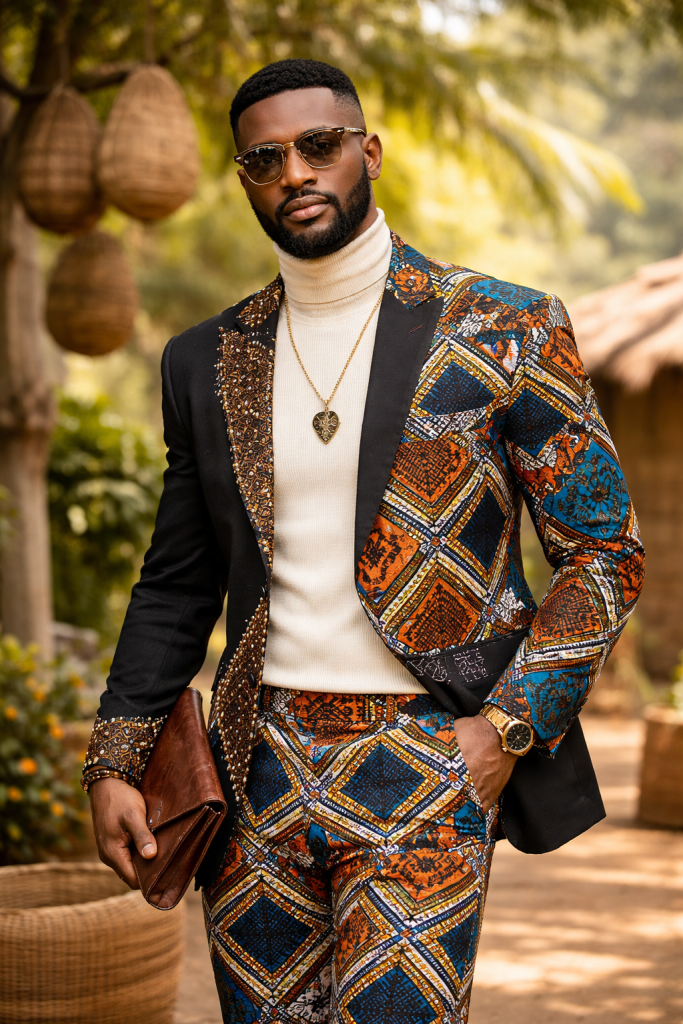
Southern African fashion is a mix of traditional heritage and modern urban style.
Key garments:
- Modern suits with African print accents
- Traditional tribal-inspired clothing
- Contemporary streetwear fusion
Style features:
- Strong influence of global fashion
- Creative mixing of prints and tailoring
- Urban and youthful expression
Style significance:
- Reflects modern African identity
- Highly influenced by global streetwear culture
Regional Style Comparison Table:
| Region | Style | Key Garments |
|---|---|---|
| West Africa | Bold & ceremonial | Agbada, Dashiki |
| East Africa | Minimal & draped | Kanzu, wraps |
| North Africa | Flowing & modest | Djellaba, Kaftan |
| Southern Africa | Modern fusion | Print suits, streetwear |
Summary:
African fashion varies widely by region, from bold ceremonial styles in West Africa to minimalist designs in East Africa, flowing robes in North Africa, and modern fusion trends in Southern Africa.
Key Takeaways:
- Africa has diverse regional fashion identities
- West Africa leads in bold ceremonial styles
- East Africa focuses on simplicity and comfort
- North Africa blends cultural and desert influences
- Southern Africa emphasizes modern fusion
Common Mistakes:
- Treating African fashion as one uniform style
- Ignoring regional climate influence
- Confusing garments between regions
- Overgeneralizing cultural clothing
Common Mistakes to Avoid:
Even though fashion across Africa is rich, diverse, and expressive, many people misunderstand it and unintentionally reduce its cultural meaning or styling impact. Avoiding these mistakes helps preserve authenticity, respect, and visual balance in African menswear.
Treating Africa as a Single Fashion Style:
One of the most common mistakes is generalizing African fashion.
Mistakes:
- Assuming all African clothing looks the same
- Ignoring regional differences in style
- Mixing unrelated cultural garments incorrectly
Better approach:
- Recognize regional diversity (West, East, North, Southern Africa)
- Understand that each style has unique meaning
Ignoring Cultural Significance:
African clothing often carries deep symbolic meaning.
Mistakes:
- Wearing traditional garments without understanding context
- Using ceremonial outfits casually without awareness
- Treating prints as just “designs”
Better approach:
- Respect cultural and ceremonial importance
- Learn the meaning behind patterns and garments
Overloading with Prints and Accessories:
African fashion often includes bold patterns, but balance is important.
Mistakes:
- Mixing too many prints in one outfit
- Over-accessorizing with beads, jewelry, and layers
- Creating visually overwhelming looks
Better approach:
- Use one statement piece per outfit
- Balance prints with neutral clothing
Mixing Incompatible Styles:
Modern and traditional fashion can be blended, but not randomly.
Mistakes:
- Combining formal traditional wear with sporty streetwear
- Mixing unrelated regional styles without structure
- Creating unbalanced fusion outfits
Better approach:
- Keep styling intentional and cohesive
- Blend modern and traditional elements carefully
Ignoring Fit and Occasion:
Fit and context are essential in African menswear.
Mistakes:
- Wearing oversized ceremonial outfits casually
- Using formal garments in inappropriate settings
- Ignoring climate and comfort
Better approach:
- Match outfit to occasion
- Ensure proper tailoring and fit
Summary:
Common mistakes in African men’s fashion include treating it as a single style, ignoring cultural meaning, overusing prints, mixing styles incorrectly, and overlooking fit and occasion.
Key Takeaways:
- African fashion is regionally diverse
- Cultural meaning must be respected
- Balance is key in prints and accessories
- Style mixing should be intentional
- Fit and occasion matter greatly
Common Mistakes:
- Generalizing African fashion
- Overloading outfits with prints
- Ignoring cultural context
- Poor styling combinations
FAQs:
This section answers common questions about men’s fashion in Africa, helping clarify traditional clothing, modern trends, fabrics, and cultural meaning across different regions.
What is African men’s fashion?
African men’s fashion refers to the diverse clothing styles across Africa, combining traditional garments like dashikis and agbadas with modern streetwear and designer fusion outfits. It reflects culture, identity, and heritage.
What are traditional African clothes for men?
Traditional menswear includes:
- Dashiki
- Agbada
- Kaftan
- Kente-inspired outfits
- Regional robes and tunics
These garments are often worn for ceremonies, festivals, and cultural events.
What fabrics are commonly used in African fashion?
Common fabrics include:
- Ankara (printed cotton fabric)
- Kente cloth (handwoven textile)
- Cotton (everyday wear)
- Linen (hot-climate comfort)
These materials are valued for both comfort and cultural symbolism.
How is African fashion different by region?
Each region has its own style:
- West Africa: Bold, embroidered ceremonial wear
- East Africa: Simple, draped garments
- North Africa: Flowing robes like djellabas
- Southern Africa: Modern fusion and streetwear
What is modern African fashion?
Modern African fashion blends traditional prints and garments with global styles, including:
- Streetwear with African patterns
- Tailored suits with cultural fabrics
- Designer fusion outfits
Can African fashion be worn casually?
Yes. Many items like dashikis, Ankara shirts, and kaftans can be worn casually when styled with:
- Jeans
- Sneakers
- Simple accessories
Why is African fashion important?
It is important because it:
- Preserves cultural identity
- Reflects history and heritage
- Supports local textile traditions
- Influences global fashion trends
Summary:
African men’s fashion is a diverse and culturally rich system that combines traditional garments, regional styles, and modern fashion trends, reflecting identity, heritage, and creativity.
Key Takeaways:
- Africa has highly diverse fashion styles
- Traditional clothing remains culturally important
- Fabrics carry symbolic meaning
- Modern fashion blends global and local trends
- Fashion reflects identity and heritage
Common Mistakes:
- Treating African fashion as one uniform style
- Ignoring regional differences
- Misusing traditional garments casually
- Overlooking cultural meaning in fabrics
Conclusion:
Men’s fashion across Africa is a powerful expression of culture, identity, history, and modern creativity. It cannot be defined by a single style because each region contributes its own unique garments, fabrics, and traditions. From ceremonial agbadas and dashikis in West Africa to flowing robes in North Africa and modern fusion streetwear across urban cities, African fashion reflects both deep heritage and evolving global influence.
What makes African menswear truly distinctive is its use of symbolic textiles, bold patterns, and meaningful design choices. Fabrics like Ankara and Kente are not just materials—they are cultural narratives that communicate identity, status, and tradition. At the same time, modern designers continue to push African fashion onto the global stage by blending traditional elements with contemporary tailoring and streetwear aesthetics.
Ultimately, African men’s fashion stands as one of the most diverse and influential fashion systems in the world, balancing tradition, innovation, and cultural pride.
Key Takeaways:
- African fashion is highly diverse across regions
- Traditional garments carry cultural and symbolic meaning
- Fabrics like Ankara and Kente are central to identity
- Modern fashion blends tradition with global trends
- Clothing reflects history, status, and creativity
References:
- Cultural and textile studies on Africa fashion traditions and regional clothing systems
- Research on West African garments such as agbada, dashiki, and Kente cloth in ethnographic fashion studies
- Academic sources on African textile symbolism and handwoven fabric traditions
